Regional Tree Care provides professional tree risk assessment in Orlando, FL, helping homeowners identify potential hazards early. Our assessments focus on tree structure, environmental stress factors, and how each tree interacts with its surroundings. This proactive approach allows homeowners to address concerns before they become costly or dangerous.
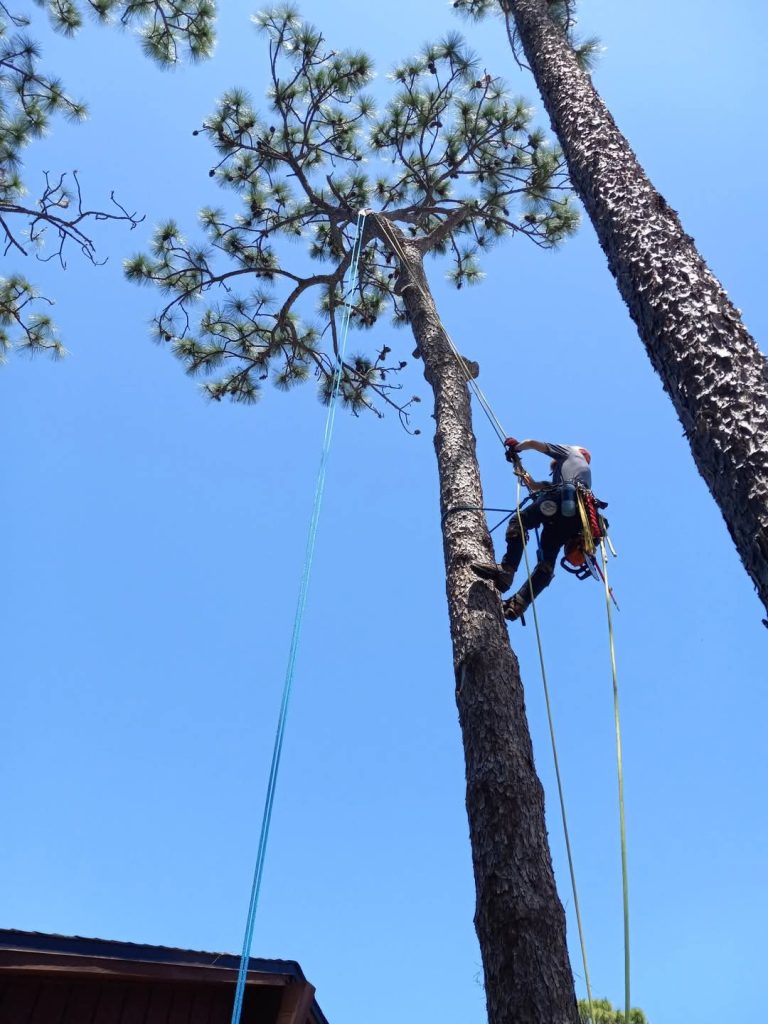
A tree risk assessment is a detailed evaluation of a tree’s overall condition and its likelihood of failure. Rather than focusing solely on visible damage, the assessment examines how a tree’s structure, roots, and environment work together to support stability.
This process considers factors such as growth patterns, canopy balance, trunk integrity, and root anchoring. The goal is to identify potential weaknesses that could lead to limb failure or tree collapse, especially during severe weather conditions common in Central Florida.
Trees located near homes, driveways, walkways, or outdoor living areas can pose serious safety concerns if they fail unexpectedly. In Central Florida, saturated soil and strong winds often expose structural weaknesses that remain hidden during calm weather.
Tree risk assessments help homeowners:
Taking a proactive approach can help prevent emergencies and protect both people and property.
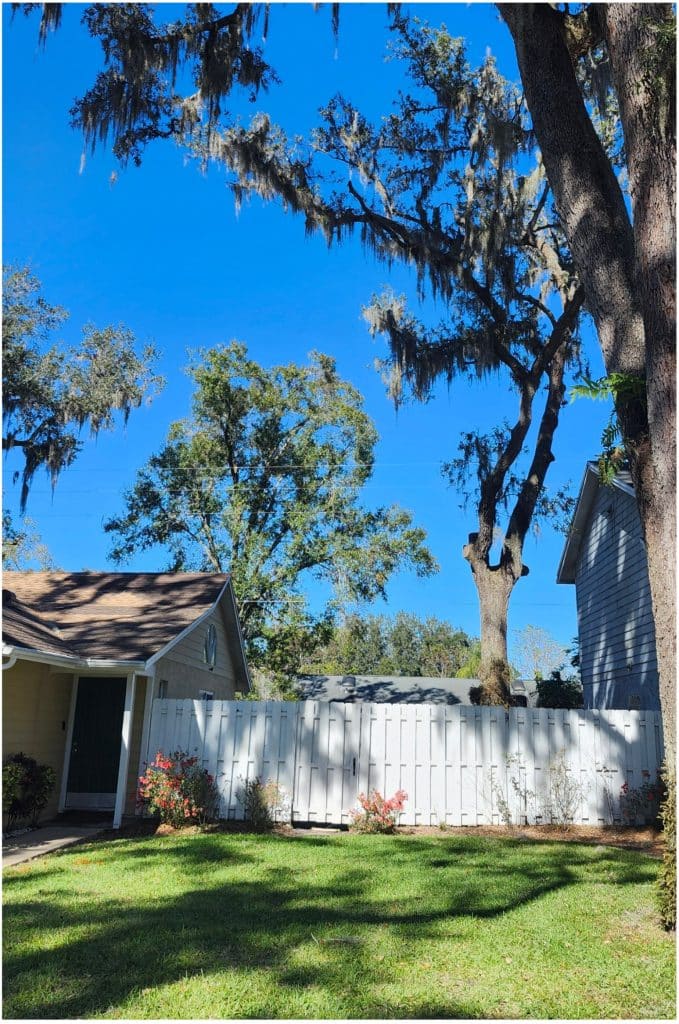
Some tree risks are obvious, while others develop gradually beneath the surface. Scheduling a risk assessment is often recommended when changes or warning signs appear.
Common indicators include:
Early evaluation allows potential risks to be addressed before conditions worsen.

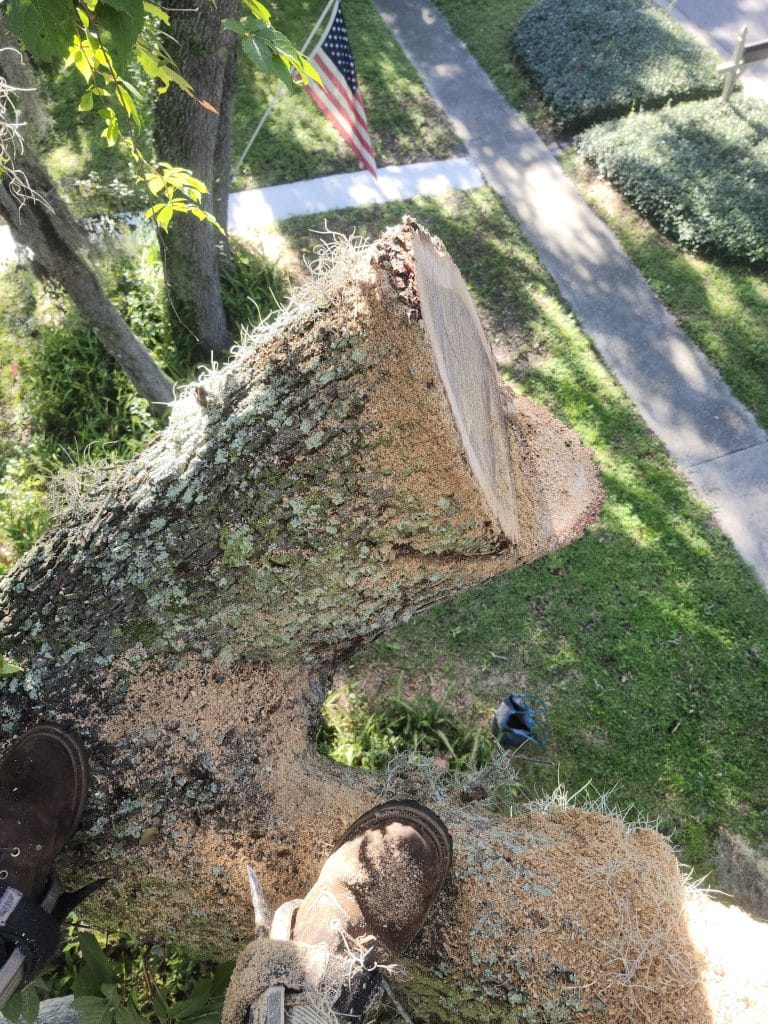
Regional Tree Care conducts thorough, residential-focused tree risk assessments customized to the specific conditions of each property. Rather than relying on general guidelines, our evaluations are based on real-world factors such as tree age, growth patterns, and surrounding environmental conditions.
Our tree risk assessments may include:
Homeowners receive clear explanations and straightforward guidance without technical jargon, making it easier to understand potential risks and decide how to move forward.
Tree risk assessments on residential properties require attention to how trees interact with homes and daily activity areas. Unlike open landscapes, residential environments present unique safety considerations.
Our residential-focused approach includes:
This ensures assessments are practical, relevant, and easy to act on.
Regional Tree Care operates as a licensed and insured tree company in Orlando, FL, giving homeowners added confidence when scheduling a tree risk assessment. Proper licensing reflects adherence to professional standards, while insurance helps protect homeowners and their property throughout the evaluation process.
Tree risk assessments often involve close inspection around homes, walkways, and other structures. Working with a licensed and insured company ensures assessments are conducted responsibly, with attention to safety, accountability, and proper procedures at every step.
If you’re concerned about the safety or condition of trees on your property, Regional Tree Care is ready to help. Our professional tree risk assessments provide clarity, guidance, and practical recommendations customized to your home.
Tree risk assessment costs can vary based on factors such as the number of trees evaluated, tree size, location, and accessibility. Trees near structures or with complex conditions may affect pricing. Regional Tree Care provides clear pricing after a free on-site evaluation.
Yes, Regional Tree Care offers free tree risk assessment estimates for homeowners throughout Orlando and surrounding Central Florida areas. Each evaluation is based on the specific conditions of the property and observed risks.
Yes, Regional Tree Care is a licensed and insured tree company in Orlando, FL. Proper licensing and insurance help ensure assessments are completed responsibly and with homeowner protection in mind.
A tree risk assessment is recommended if a tree shows signs of leaning, cracking, dead branches, or root instability, or if it is located close to a home or structure. Assessments are also helpful before storm season to identify potential hazards early.