Trees contribute beauty, shade, and value to residential properties, but they can also develop hidden risks that are not immediately visible. Many homeowners focus on obvious warning signs such as leaning trunks or broken branches, yet some of the most serious tree hazards develop quietly over time. These issues often remain unnoticed until a storm, strong wind event, or sudden failure exposes the problem.
In Central Florida, trees are constantly exposed to environmental conditions that influence their structural integrity. Heavy rainfall, high humidity, seasonal storms, and rapid growth patterns can all contribute to gradual changes that affect stability. Because many of these concerns develop beneath the surface or within the tree itself, they are easy to overlook without a closer evaluation.
Understanding these hidden hazards can help property owners take a proactive approach to tree safety and reduce the risk of unexpected damage.
Professional guidance from Regional Tree Care helps identify concerns that may not be visible during a casual inspection, allowing homeowners to make informed decisions about the trees on their property.
Why Hidden Tree Hazards Are Often Missed
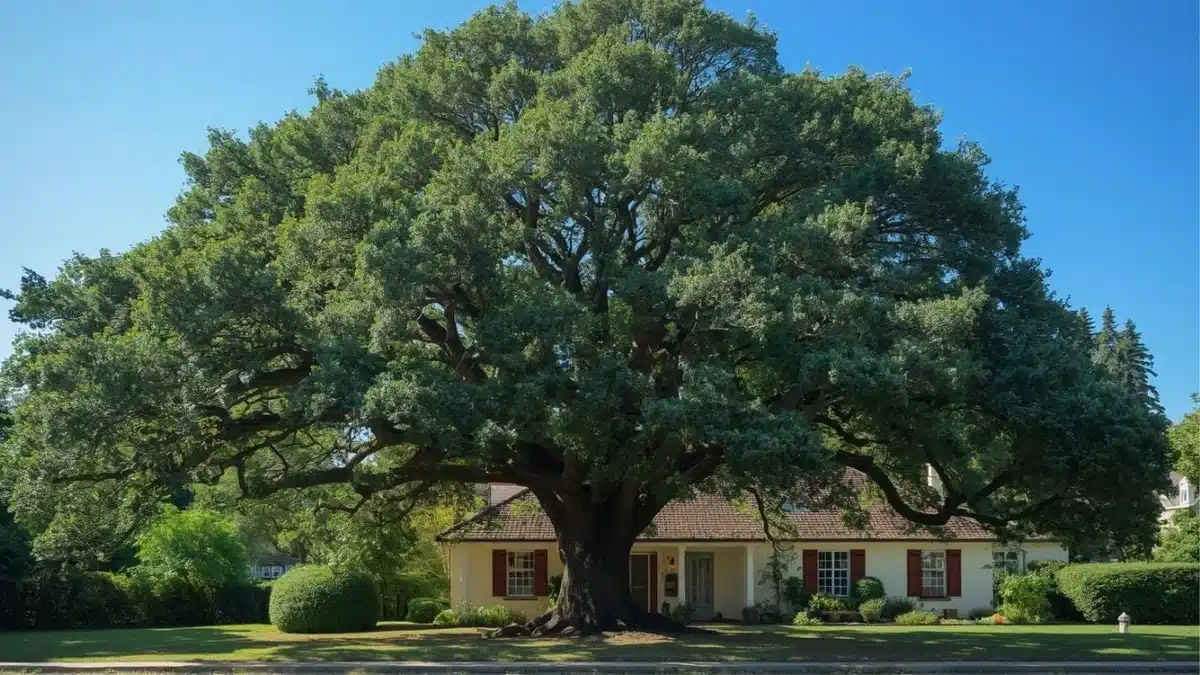
Tree related risks do not always present obvious symptoms. A tree may appear healthy from a distance while internal or underground issues continue to develop. Leaves may remain green, the canopy may look full, and the trunk may appear stable, creating a false sense of security.
Many hazards develop gradually over several years. Environmental stress, structural imbalances, and root system changes often progress without attracting attention. Since homeowners typically see only the visible portion of a tree, underlying conditions can remain unnoticed until a significant event occurs.
This is why routine evaluation plays an important role in identifying risks before they lead to damage or safety concerns.
Internal Decay Hidden Within the Tree
One of the most overlooked tree hazards is internal decay. Unlike surface damage, decay often develops inside the trunk or major limbs where it cannot be easily observed.
Why Internal Decay Is Dangerous
Decay weakens the structural integrity of wood fibers. As deterioration progresses, the tree loses its ability to support weight and resist environmental stress.
External Signs May Be Limited
A tree with internal decay may still produce leaves and appear healthy from the outside. Visible symptoms often appear only after significant damage has already occurred.
Failure Can Occur Without Warning
Because decay weakens support structures gradually, affected trees may fail suddenly during storms or high winds.
Early identification helps determine the extent of deterioration and whether corrective action is necessary.
Root Instability Beneath the Surface
Roots provide essential support and stability. When root systems become compromised, the entire tree becomes more vulnerable.
Soil Saturation
Frequent rainfall can soften surrounding soil and reduce root anchoring strength.
Root Decay
Fungal activity and poor drainage conditions may contribute to hidden root deterioration.
Construction Impacts
Excavation, trenching, and nearby construction can damage roots without obvious above ground symptoms.
Since root systems remain underground, problems often go unnoticed until the tree begins leaning or shifting position.
Weak Branch Attachments
Branch attachment strength plays a major role in tree stability. Some limbs develop naturally strong connections, while others form weaker unions that are more susceptible to failure.
As trees mature, heavy branches place increasing stress on attachment points. During storms, these areas become vulnerable to cracking or separation.
Included Bark Formation
Certain branch unions develop bark trapped between attachment points. This weakens the connection and increases failure risk.
Excessive Limb Weight
Large limbs extending far from the trunk create additional leverage and stress.
Structural Competition
Multiple branches competing for dominance may weaken overall canopy stability.
Weak attachments often remain hidden within dense canopies where they are difficult to identify without professional evaluation.
Hidden Canopy Imbalances
Many homeowners focus on overall canopy size while overlooking weight distribution. A tree may appear full and healthy but still develop significant structural imbalance.
When one side of the canopy becomes heavier than the other, internal stress increases throughout the trunk and branch system. This imbalance may not cause immediate problems, but it can gradually reduce stability over time.
Strong winds place additional pressure on these uneven structures, increasing the likelihood of failure.
Proper maintenance helps identify and correct canopy imbalances before they become larger concerns.
Cracks That Are Difficult to Detect
Not all structural cracks are visible from ground level. Some develop high within the canopy or on portions of the trunk that are difficult to inspect.
Seasonal Expansion
Temperature fluctuations and environmental stress can contribute to crack formation over time.
Storm Related Damage
High winds may create fractures that are not immediately visible after severe weather.
Progressive Structural Weakening
Small cracks often expand gradually, allowing moisture and decay to enter the tree.
Because cracks frequently develop in less visible areas, routine inspection becomes increasingly important as trees mature.
The Impact of Soil Conditions on Tree Safety
Soil conditions influence both tree health and structural stability. Changes beneath the surface can significantly affect long term performance.
Erosion
Gradual soil loss exposes roots and reduces support.
Compaction
Heavy foot traffic or equipment may restrict root development.
Drainage Problems
Poor drainage contributes to root stress and increases vulnerability to decay.
These issues often develop slowly, making them easy to overlook until larger problems emerge.
Trees Growing Too Close to Structures
Trees planted near homes often create hidden challenges as they mature. Initial planting locations may seem appropriate, but growth over time can introduce new concerns.
Branches may extend over roofs, driveways, and outdoor living spaces. Root systems continue expanding beneath sidewalks and foundations. Limited space can also force trees to develop uneven growth patterns.
These conditions increase the importance of periodic evaluation to determine whether growth is affecting safety or structural stability.
A professional tree risk assessment helps identify potential concerns involving both the tree and surrounding property features.
Storm Damage That Is Not Immediately Visible
Storms frequently create hidden damage that remains unnoticed after cleanup is completed. While fallen limbs receive immediate attention, internal stress and structural weakening may continue to affect the tree.
Micro Fractures
Small fractures may develop within branches or trunks without obvious external symptoms.
Root Movement
Strong winds can shift root systems beneath the soil without visibly uprooting the tree.
Canopy Stress
Heavy winds may weaken attachment points that appear intact from the ground.
Post storm evaluations help identify hidden damage before future weather events expose these weaknesses.
How Tree Age Influences Hidden Risks
As trees mature, natural aging processes affect structural integrity. Older trees often require additional attention because gradual changes accumulate over time.
Wood fibers become less resilient, growth patterns change, and environmental stress has a greater impact on stability. Mature trees may also contain hidden cavities or internal decay that developed over decades.
Age alone does not make a tree hazardous, but it does increase the importance of monitoring structural condition and overall stability.
Why Professional Evaluation Matters
Many hidden tree hazards cannot be accurately assessed through visual observation alone. Structural issues often involve multiple factors that interact over time, making professional evaluation essential for identifying risk.
An experienced assessment considers:
- Root stability
- Canopy balance
- Structural defects
- Environmental influences
- Proximity to structures
- Evidence of decay or stress
These evaluations provide valuable insight into conditions that may otherwise remain undetected.
Additional information about the company’s approach to residential tree care can be found through why homeowners work with Regional Tree Care.
Taking a Proactive Approach to Tree Safety
Preventative action is often the most effective way to reduce risk. Addressing concerns early allows homeowners to make informed decisions before structural issues become emergencies.
Routine monitoring helps identify gradual changes that may otherwise go unnoticed. Evaluating trees after storms, during periods of rapid growth, or when visible changes occur provides valuable information about overall stability.
Proactive care helps reduce uncertainty while supporting safer residential environments.
Property owners concerned about potential hazards can schedule your appointment to discuss tree conditions and receive professional guidance.
Continuing to Learn About Tree Risk and Safety
Tree safety involves understanding how environmental conditions, structural development, and maintenance practices interact over time. Staying informed helps property owners recognize warning signs and make better long term decisions.
Educational resources provide valuable information about tree care, storm preparation, and risk management. Additional articles can be explored through more guides and insights related to residential tree safety and maintenance.
FAQs
What is the most commonly overlooked tree hazard?
Root instability is one of the most commonly overlooked hazards because it develops beneath the surface and often shows limited visible symptoms.
Can a healthy looking tree still be dangerous?
Yes. Internal decay, root damage, and structural defects may exist even when the canopy appears healthy.
How do storms create hidden tree damage?
Storms can cause internal fractures, root movement, and weakened branch attachments that are not immediately visible after the weather passes.
Why are root problems difficult to identify?
Roots are located below ground, making decay, damage, and instability difficult to detect without professional evaluation.
How often should trees be evaluated for hidden risks?
Periodic evaluations are recommended, especially after storms, noticeable growth changes, or when trees are located near structures.
What role does tree age play in safety concerns?
As trees mature, natural aging processes may affect structural integrity and increase the importance of regular monitoring.
Can hidden tree hazards be corrected?
In many cases, maintenance and preventative care can address developing concerns. The appropriate solution depends on the specific condition and level of risk involved.